
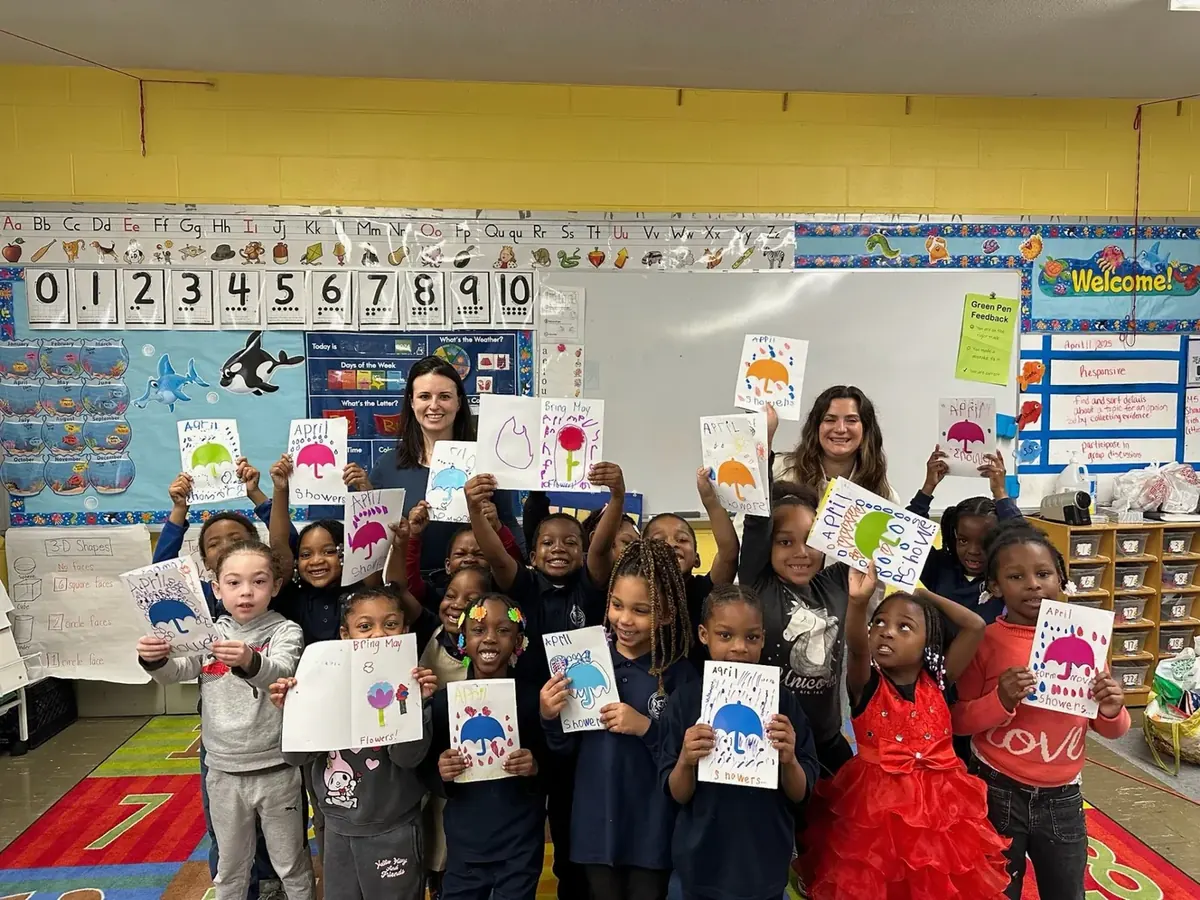
The Good Futures Fund | Major Donor Investment Prospectus
A dedicated education fund helping Philadelphia students move from classroom to career through scholarships, school investment, and practical preparation.
Why the Good Futures Fund exists
Since 2019, Friends for Good has built a hands-on, volunteer-powered model for meeting practical needs across Philadelphia. The Good Futures Fund creates a dedicated vehicle for education, with one clear purpose: help Philadelphia students move from classroom to career with the resources, relationships, and practical knowledge needed to continue forward.
Many students encounter barriers at several points along that path. A classroom may lack basic tools. A student may reach graduation without practical exposure to budgeting, credit, interviews, or professional networks. An accepted student may still be unable to cover the deposits, fees, technology, or transportation required to enroll. A student who begins college may face a modest emergency that threatens continued attendance.
The Fund responds across those transitions rather than treating each barrier as an unrelated event. It combines direct financial support, investment in Philadelphia schools, and FFG-led education and career programming within one accountable portfolio.
Organization-wide figures reported by Friends for Good for calendar year 2025. See the impact report
What founding capital makes possible
Gifts and pledges to GFF are allocated across all three areas of the portfolio.
Commitments underwrite the Fund's launch and strengthen continuity across multiple program years, making a direct impact on the students it serves.
Every dollar is deployed here at home, directed to the students with the greatest need and the fewest resources. The Fund exists to widen access to education and strengthen outcomes from the classroom through college and into a career.
FFG has established the Good Futures Fund (GFF) to make direct and visible impact at a significant scale. Pledges to GFF allows FFG to make multi-year commitments responsibly, expand delivery partnerships, build consistent student-facing programs, and report outcomes beyond a single annual event to deepen the way we shape the futures for young students with ambitious goals here in Philadelphia.
One fund with three areas of work
Program dollars are directed across three areas: Pathway Scholarships, investment in Philadelphia school via FFG restricted programs, and FFG-run education and career programming. Ten percent of each gift is set aside for ongoing support to promise continuity after the initial capital is deployed. The shares below are expressed as a percentage of the deployable investments.
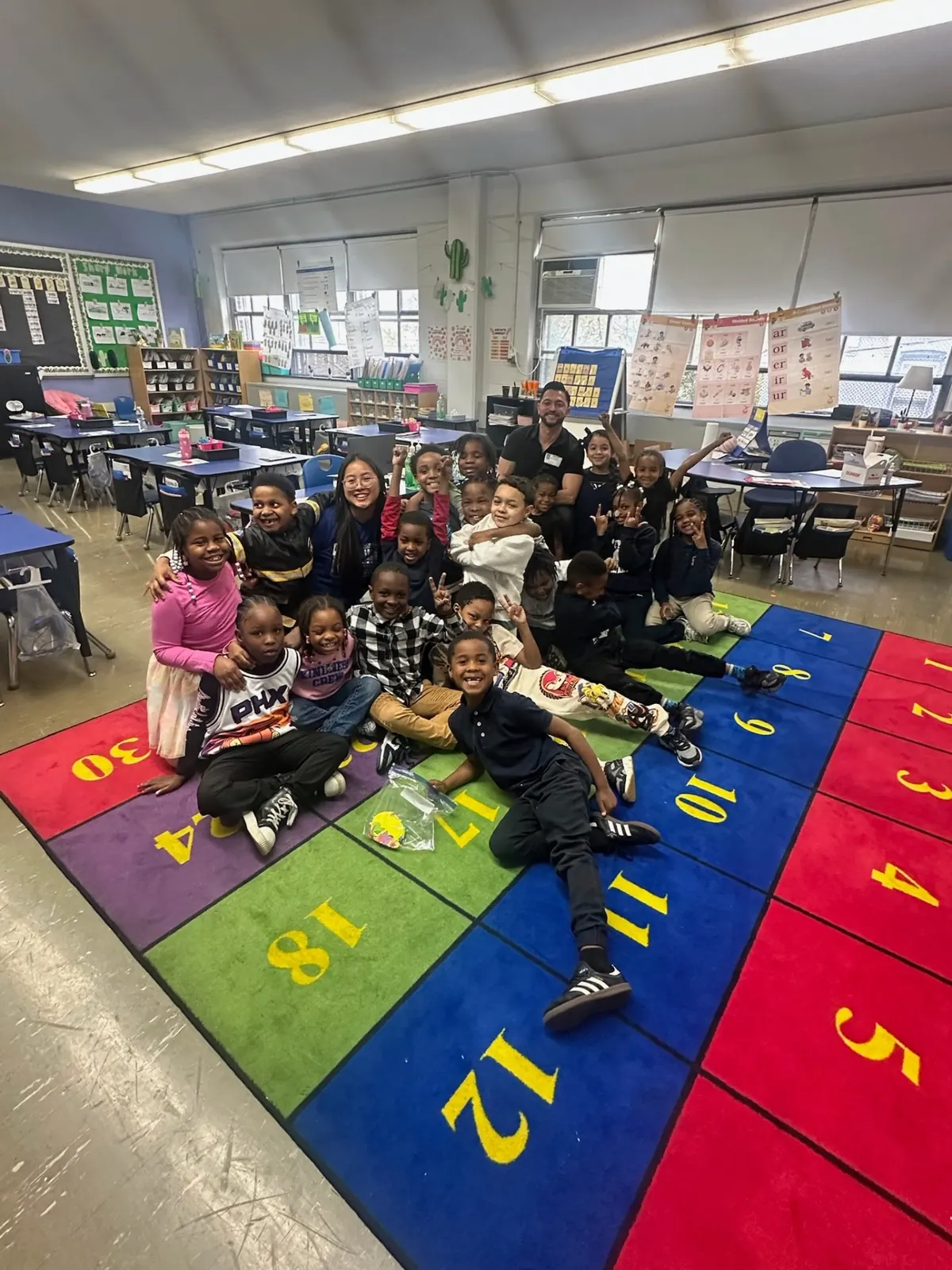
Pathway Scholarships
Renewable scholarship and bridge support intended to help students enroll, persist, and progress toward graduation.
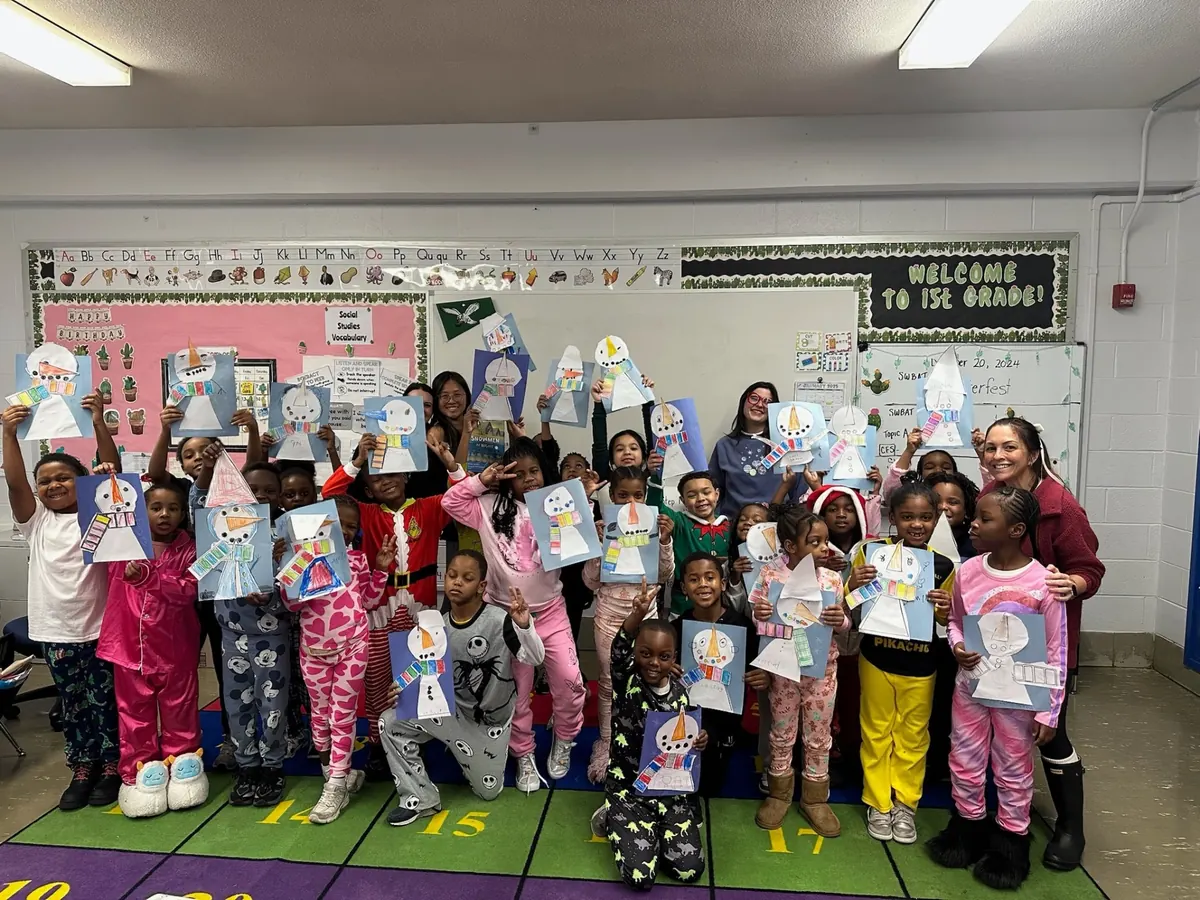
PHILADELPHIA SCHOOL PROGRAMS
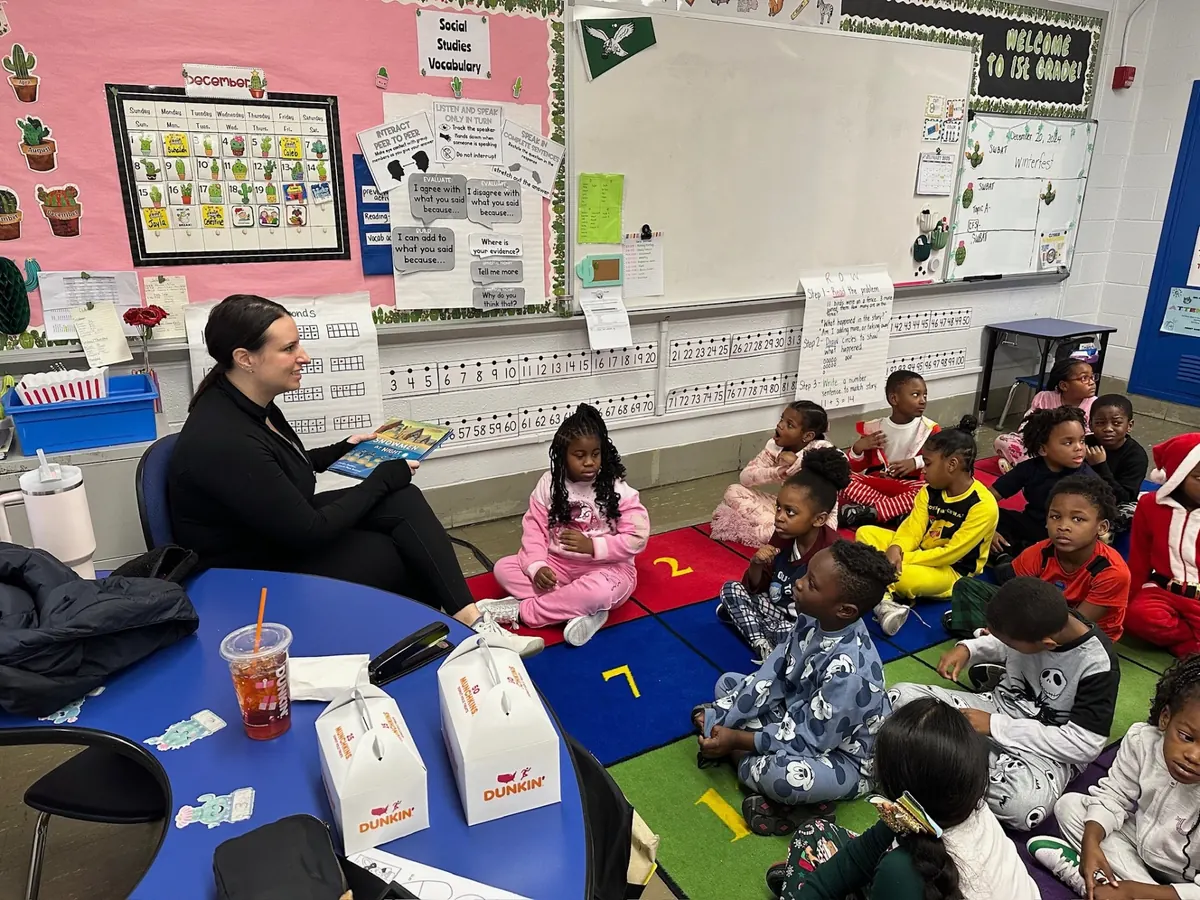
Defined school-level uses developed with education partners, including meals and groceries, classroom resources, technology, learning environments, and teacher-directed needs.
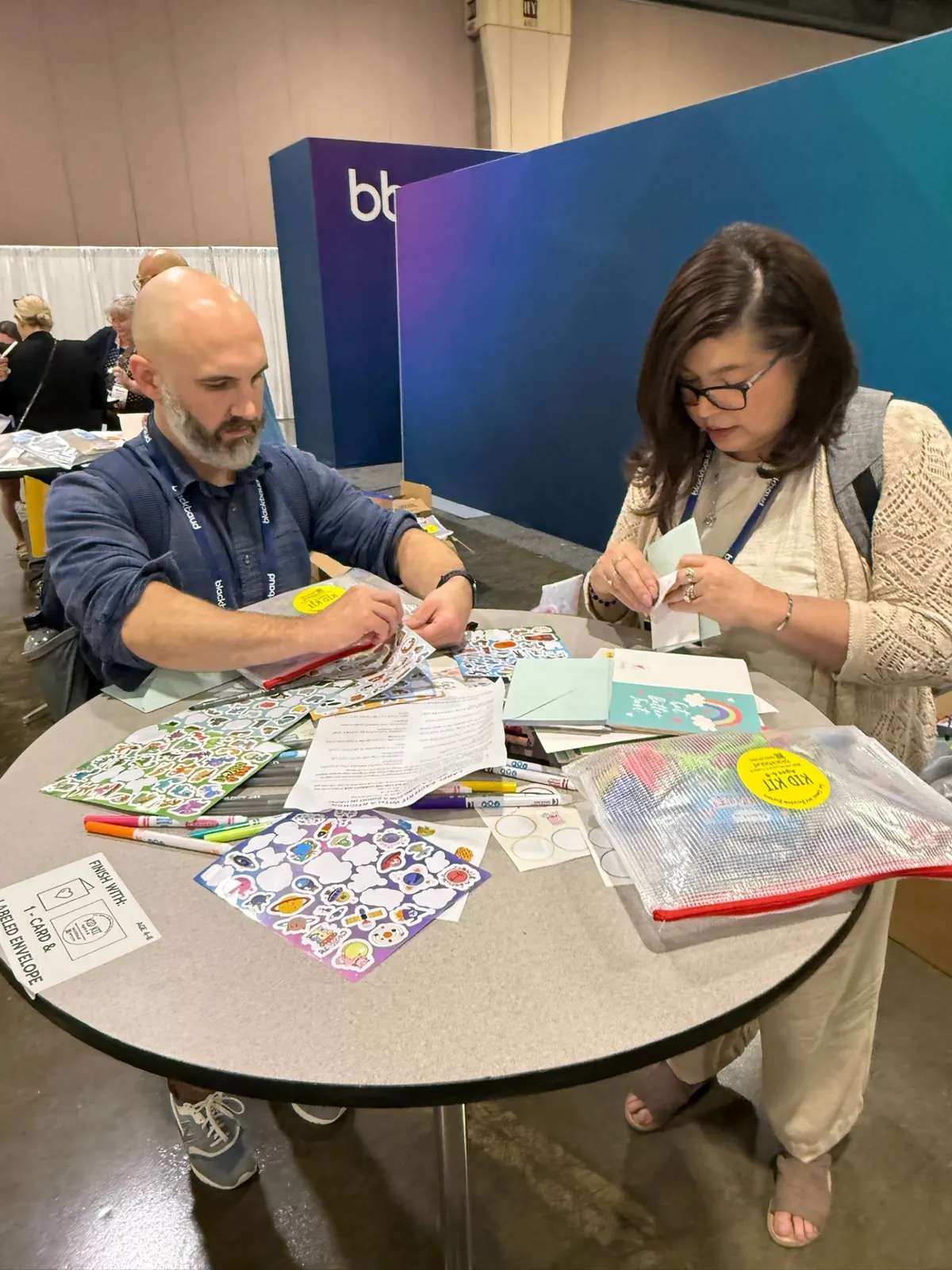
FFG education and career programming
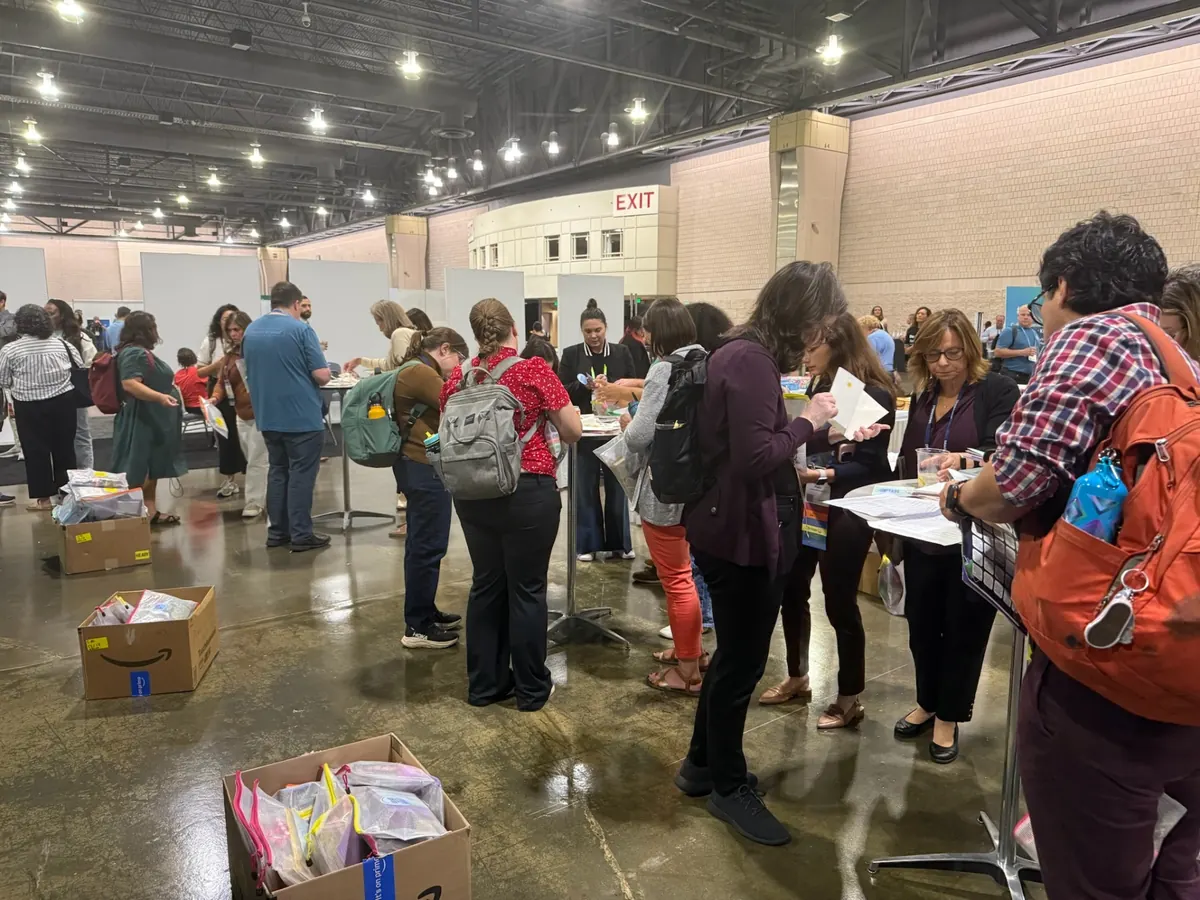
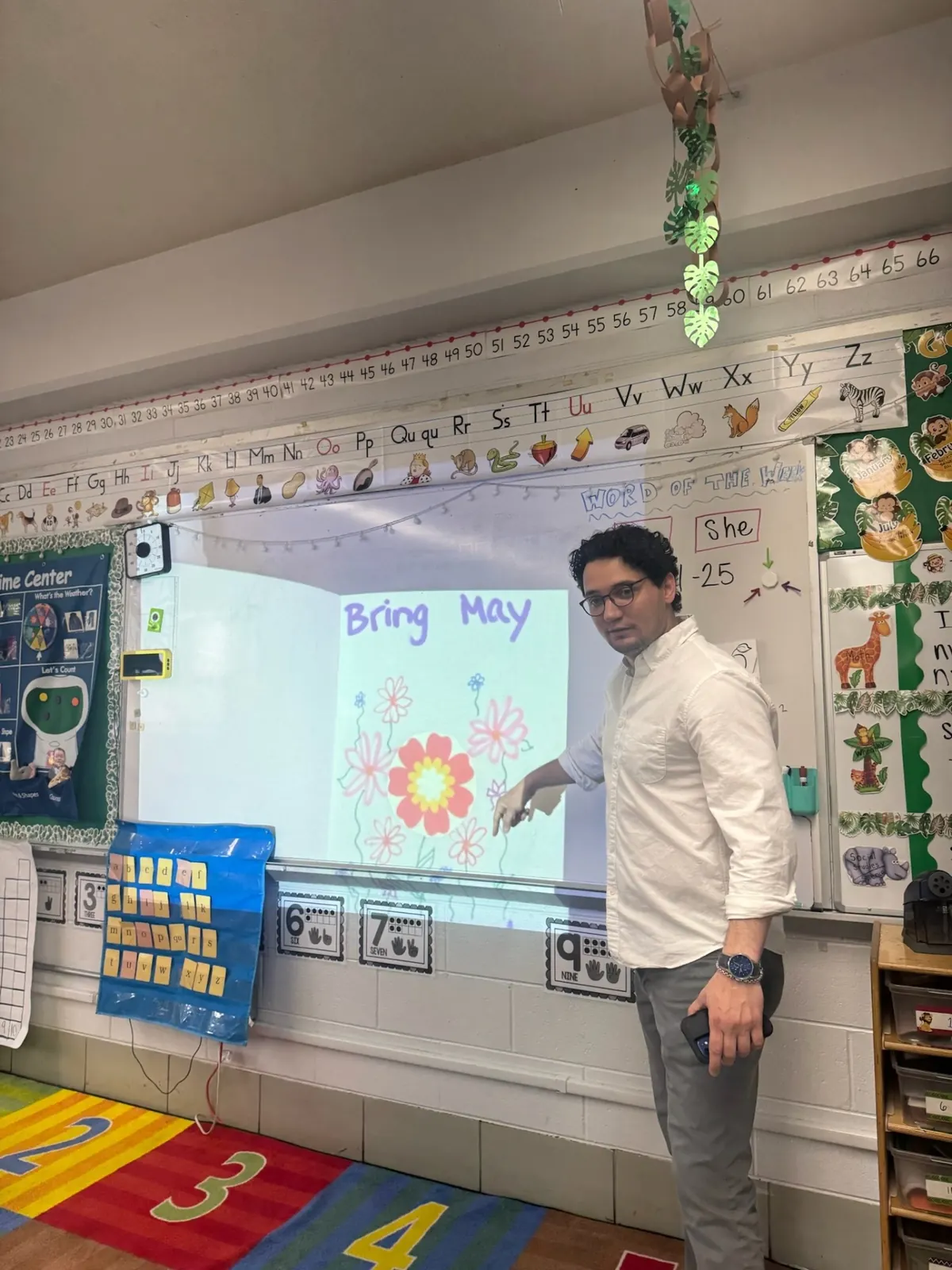
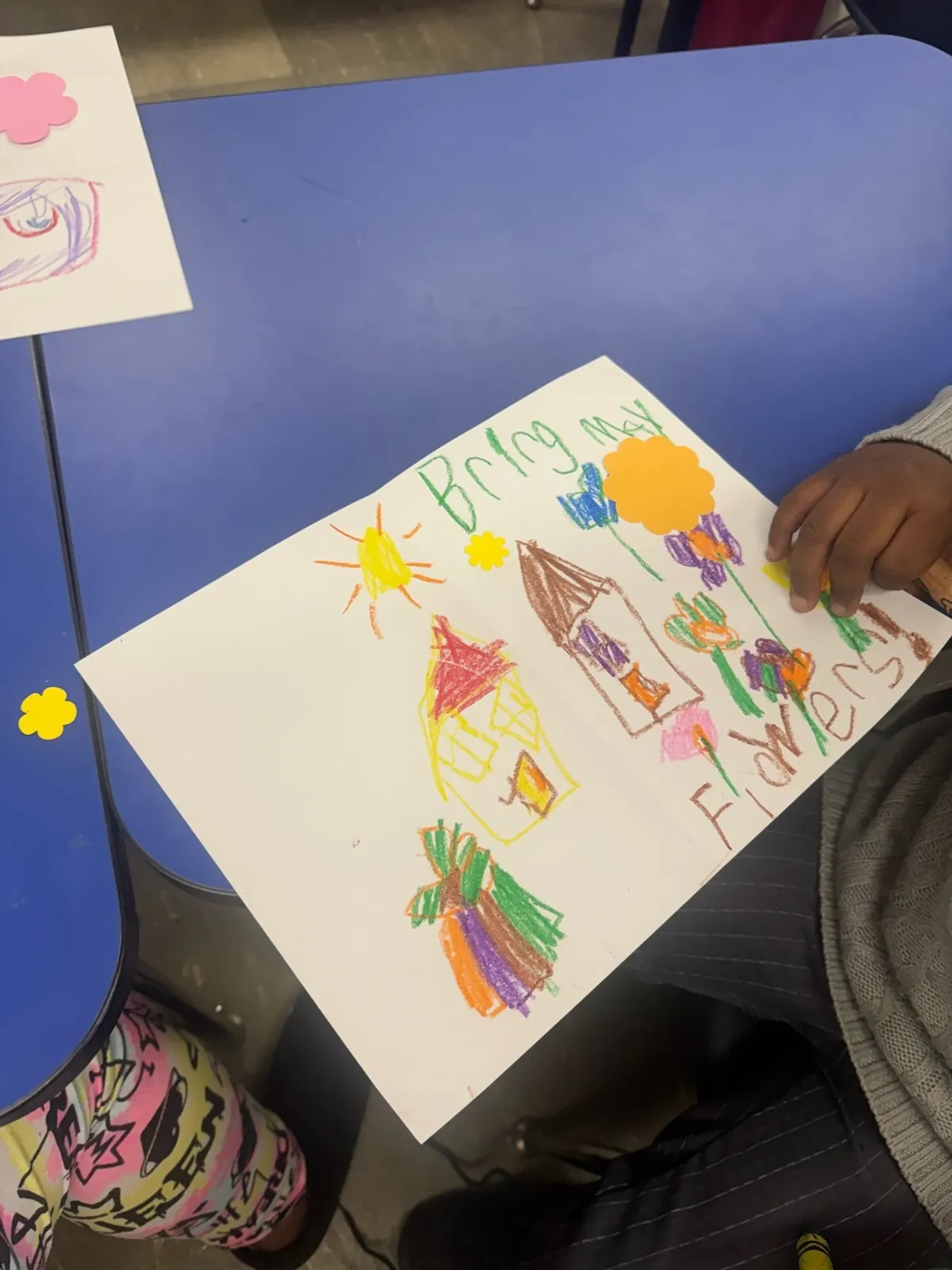
Financial literacy, career exploration, mentorship, classroom adoption, and hands-on improvements led or organized by FFG.
How the areas reinforce one another
School investments improve the conditions in which students learn. FFG programming adds practical knowledge and access to professionals. Scholarships and bridge support help students act on the opportunities they have earned. Continued reporting allows FFG and its donors to see where students advance and where additional support is needed.
Partner delivery
FFG expects to deliver the Fund through a combination of direct programming and experienced partners. Current planning includes scholarship collaboration with 12Plus and school-level investment through the Fund for the School District of Philadelphia, subject to final program terms. FFG retains responsibility for donor stewardship, portfolio-level reporting, and the volunteer-powered programming it operates directly.
Use restrictions and final scope
The percentages above represent the Fund's proposed portfolio model. Specific program costs, partner roles, and funded units are confirmed before donor agreements promise exact numbers of scholarships, grants, devices, or student placements. Major gifts may be documented through written agreements that state purpose, term, reporting, recognition, and any approved restrictions.
What the Fund is built to deliver
Six programs make up the portfolio. Each states what funding enables and the measures FFG reports against it.
Pathway Scholarships
Classroom Adoption and Technology
Education and Career Series
Mentorship and Professional Readiness
Learning Space Improvements
Targeted Student Stabilization
Founding and annual commitments
Every giving level supports the same connected portfolio. Gifts can begin at $5,000. Exact unit counts are confirmed against program budgets and partner agreements before they are represented as guaranteed donor outcomes.
| Level | Gift | Scholarships | Schools | FFG programs | Reserve |
|---|---|---|---|---|---|
| Student Success Supporter | $5,000 | $1,800 | $1,575 | $1,125 | $500 |
| Good Futures Advocate | $10,000 | $3,600 | $3,150 | $2,250 | $1,000 |
| Good Futures Partner | $15,000 | $5,400 | $4,725 | $3,375 | $1,500 |
| Good Futures Fund Champion | $25,000 | $9,000 | $7,875 | $5,625 | $2,500 |
Illustratively, this level can support two or three summer bridge grants, several teacher-directed classroom micro-grants, and an FFG Education Series session or classroom adoption supply run, while contributing $500 to continuity.
Illustratively, this level can support one renewable scholarship plus transition assistance, a slate of classroom micro-grants at an adopted school, and a semester of Finance 101 programming, while contributing $1,000 to continuity.
Illustratively, this level can support two renewable scholarships, classroom micro-grants across an adopted school, and a full year of classroom adoption resources, while contributing $1,500 to continuity.
Illustratively, this level can support a three-to-four-student Good Futures Scholars cohort, classroom investment across multiple schools, and a full year of education, mentorship, and classroom programming, while contributing $2,500 to continuity.
Commitments that change the scale of the Fund
Leadership investments give FFG the ability to plan beyond a single activity or fundraising cycle. That means a broader cohort, multiple school sites, a full program year, stronger measurement, and the stability required for renewable commitments.
| Commitment | Scholarships | Schools | FFG programs | Reserve |
|---|---|---|---|---|
| $50,000 | $18,000 | $15,750 | $11,250 | $5,000 |
| $100,000 | $36,000 | $31,500 | $22,500 | $10,000 |
| $250,000 | $90,000 | $78,750 | $56,250 | $25,000 |
| $500,000 | $180,000 | $157,500 | $112,500 | $50,000 |
| $1,000,000 | $360,000 | $315,000 | $225,000 | $100,000 |
Anchors a coordinated portfolio across students, a school-level investment, and repeated programming.
Underwrites a significant share of an annual launch portfolio and its continuity.
Provides founding capital at the scale of the initial Fund target and supports a full multi-part program year.
Supports multi-site and multi-cohort delivery, stronger measurement, and multi-year planning capacity.
Establishes cornerstone capital capable of accelerating the full portfolio while materially strengthening long-term commitments.
Every commitment matters, at any amount. Tell us what feels right for your budget and timeline, and we will shape a tailored pledge, either a single gift or payments across several years, directed to the students, schools, or programs you care about most.
A leadership gift may be structured as an immediate contribution or a multi-year pledge. Multi-year support is especially valuable where FFG is making renewable scholarship commitments, scheduling repeated program delivery, or building the reserve needed to manage those obligations responsibly.
How a commitment is recognized, directed, and reported
Recognition
Recognition is designed around the donor's preference and the scale and purpose of the commitment. Options may include year-round recognition in Good Futures Fund materials, a named scholarship cohort or program initiative where appropriate, inclusion in annual impact communications, briefings with FFG leadership, and opportunities to see supported work. Donors may also request anonymity. Recognition terms are documented in the gift agreement and will not compromise student privacy.
Designation options
- The full Good Futures Fund portfolio under the planned allocation model.
- One of the three program areas, when the restriction can be accepted without weakening existing commitments.
- A named cohort, school initiative, or program series defined in a written agreement after costs and delivery partners are confirmed.
- Capacity required for outcomes tracking, financial controls, and donor reporting when expressly included in the gift agreement.
Major donor reporting
Leadership gift agreements specify a reporting calendar appropriate to the term and restriction of the gift. A typical package includes an annual financial summary, program delivery against plan, outcome measures available for the period, partner updates, material variances, and the next year's priorities. Reports distinguish confirmed results from early indicators and protect student privacy.
How FFG defines and reports progress
Reporting answers two questions: what was delivered with donor capital, and what happened next for the students and schools involved. The Fund begins with practical measures it can collect consistently and adds longer-term measures as the scholarship and partner systems mature.
Resources deployed
Participation
Transition
Persistence
Learning and readiness
Partner performance
A platform for larger and more durable impact
The Good Futures Fund is structured to build evidence and delivery capacity in the same sequence that it builds programs. Early capital funds the work and the systems needed to document it. Documented results strengthen FFG's ability to earn larger foundation, corporate, and public support. More durable revenue then allows the organization to add professional staff and expand delivery without relying on a single annual event.
Alignment with public priorities
The portfolio supports Philadelphia's stated emphasis on college and career readiness. Scholarships support postsecondary enrollment and persistence. Financial literacy and career programming build practical readiness. Mentorship and professional preparation expand exposure to work and postsecondary opportunity. School investments strengthen the learning conditions that help students remain on track.
Operating safeguards expected before scale
- 01
Confirm program costs and scopes with each delivery partner before promising unit-level donor outcomes.
- 02
Size renewable commitments against available capital and the continuity reserve.
- 03
Maintain written agreements for restricted gifts and partner-delivered work.
- 04
Track funds and results by program area and reporting period.
- 05
Develop the financial, audit, compliance, and outcome-reporting infrastructure required by larger institutional funders.
Material risks and how the model addresses them
A disciplined path from interest to commitment
A major investment should be matched with the level of clarity and access appropriate to the donor. FFG works with prospective leadership donors to define the purpose, time horizon, restrictions, reporting, recognition, and decision points before a commitment is finalized.
- 1
Initial discussion
The donor and FFG identify the area of interest, desired scale, time horizon, and diligence questions.
- 2
Program and financial review
FFG provides the current program scope, allocation model, relevant budgets, partner information, governance materials, and available financial reporting.
- 3
Written investment proposal
FFG develops a gift-specific proposal showing the intended use, term, reporting measures, recognition, and conditions.
- 4
Gift agreement
Both parties document the commitment, pledge schedule, approved restrictions, reporting calendar, and process for material changes.
- 5
Stewardship and reporting
FFG provides agreed updates, access to program leadership, and a clear account of deployment, results, lessons, and next priorities.
Information available during diligence
- Organizational and program budgets, subject to the stage of planning.
- Tax-exempt status, governance materials, and financial statements available to prospective donors.
- Partner scopes or letters when finalized and appropriate to share.
- Outcome definitions, reporting schedule, and privacy practices.
- Recognition options and any agreed anonymity requirements.
Discuss a leadership investment in the Good Futures Fund
The strongest next step is a conversation about the level of change you want to make possible, followed by a written proposal grounded in confirmed program costs and mutually agreed measures.
Friends for Good, Inc. is a 501(c)(3) nonprofit organization · EIN 85-1704976
Contributions are tax-deductible to the fullest extent allowed by law. Donors should consult their tax advisors.